An underground utility proposal can look complete and still leave major project risk unpriced. The deciding questions are often outside the quantity sheet: Who owns dewatering? Are testing and utility fees included? How are tie-ins sequenced? What happens when existing utilities do not match the survey? Who maintains redlines and supports final acceptance?
General contractors should evaluate an underground utility subcontractor on the quality of those answers, not only on total price. A strong partner makes assumptions visible, understands how underground work connects to the rest of the site, and can explain the path from mobilization through turnover.
Look for a proposal that can be leveled
The proposal should identify plan and specification dates, addenda, scope limits, quantities, materials, alternates, allowances, exclusions, testing, permits, restoration, survey, and owner-furnished items. If the design is incomplete, assumptions should be specific enough for the estimator to compare them with other bids.
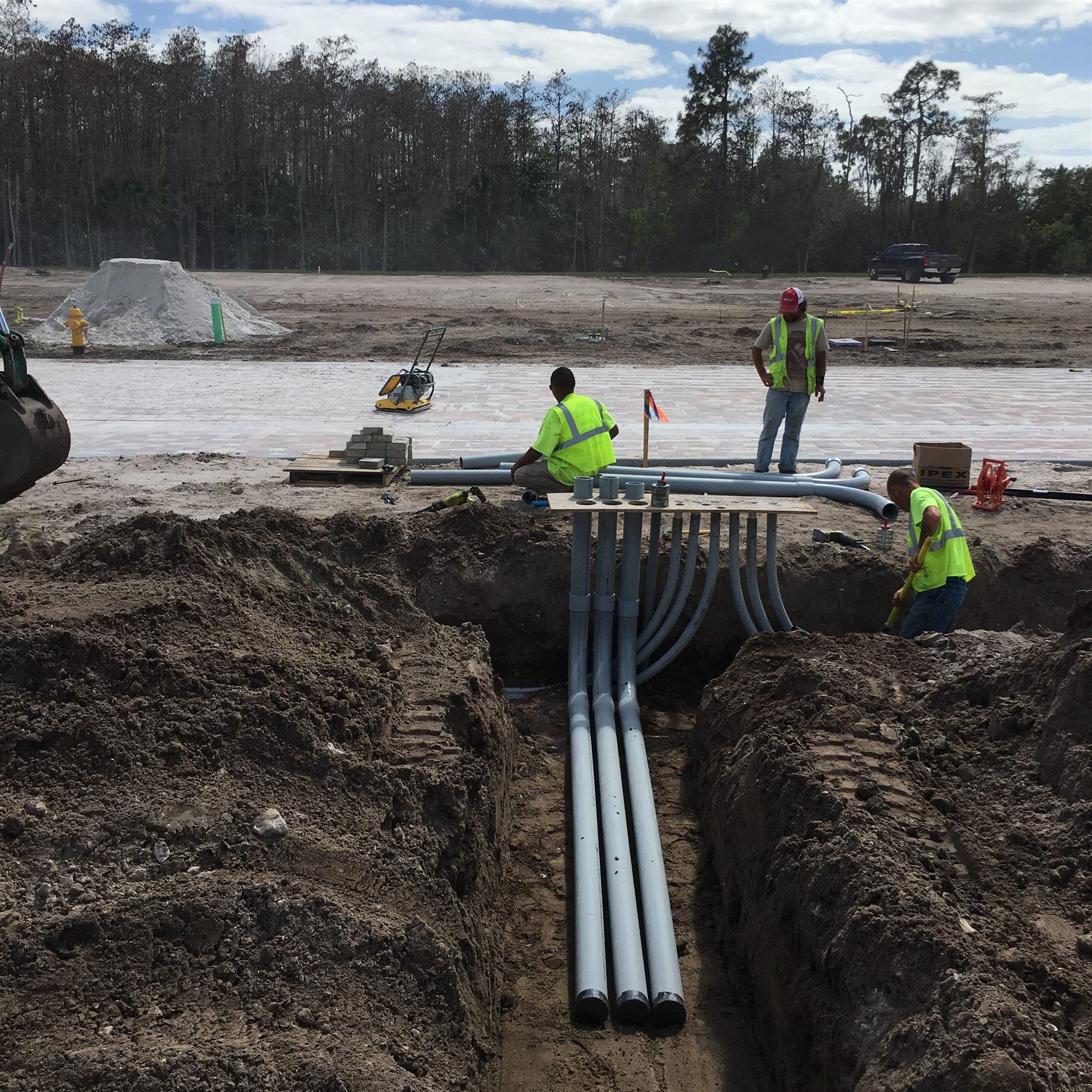
Pay particular attention to interfaces. The underground utilities package may touch clearing, earthwork, erosion control, pavement, electrical duct banks, landscaping, irrigation, traffic control, temporary water, bypass pumping, and final as-builts. A short exclusion such as “by others” is not useful unless the other trade and handoff condition are clear.
Ask how the site will actually be built
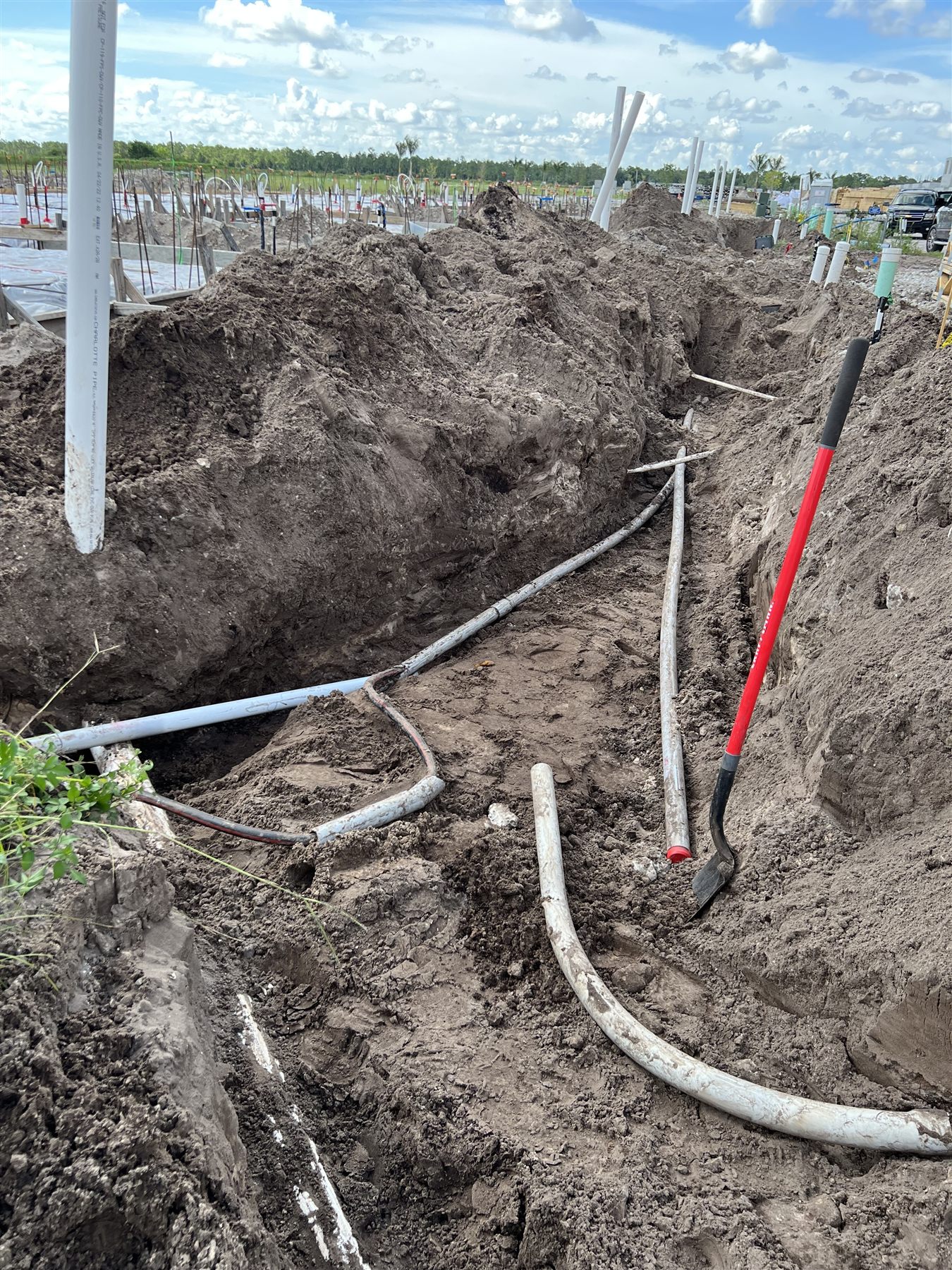
Good field planning starts with access, depth, line and grade, groundwater, soil, material staging, structure picks, testing windows, and adjacent operations. Ask the bidder to describe the intended sequence and identify the activities most likely to control production.
The answer does not need to be a finished baseline schedule during early bidding. It should show that the contractor has read the whole site and can identify release areas, crossings, tie-ins, deep runs, inspection dependencies, and restoration constraints. On a Collier County project, for example, occupied access, groundwater, finish expectations, or subsurface conditions may deserve more attention than a simple installed-footage target.
Verify people, equipment, and availability against the schedule
Prequalification forms often list company-wide resources without showing what will be committed to the project. Ask who will estimate, manage, supervise, document, and close out the work. Confirm how staffing changes are communicated and who has authority to resolve field issues.
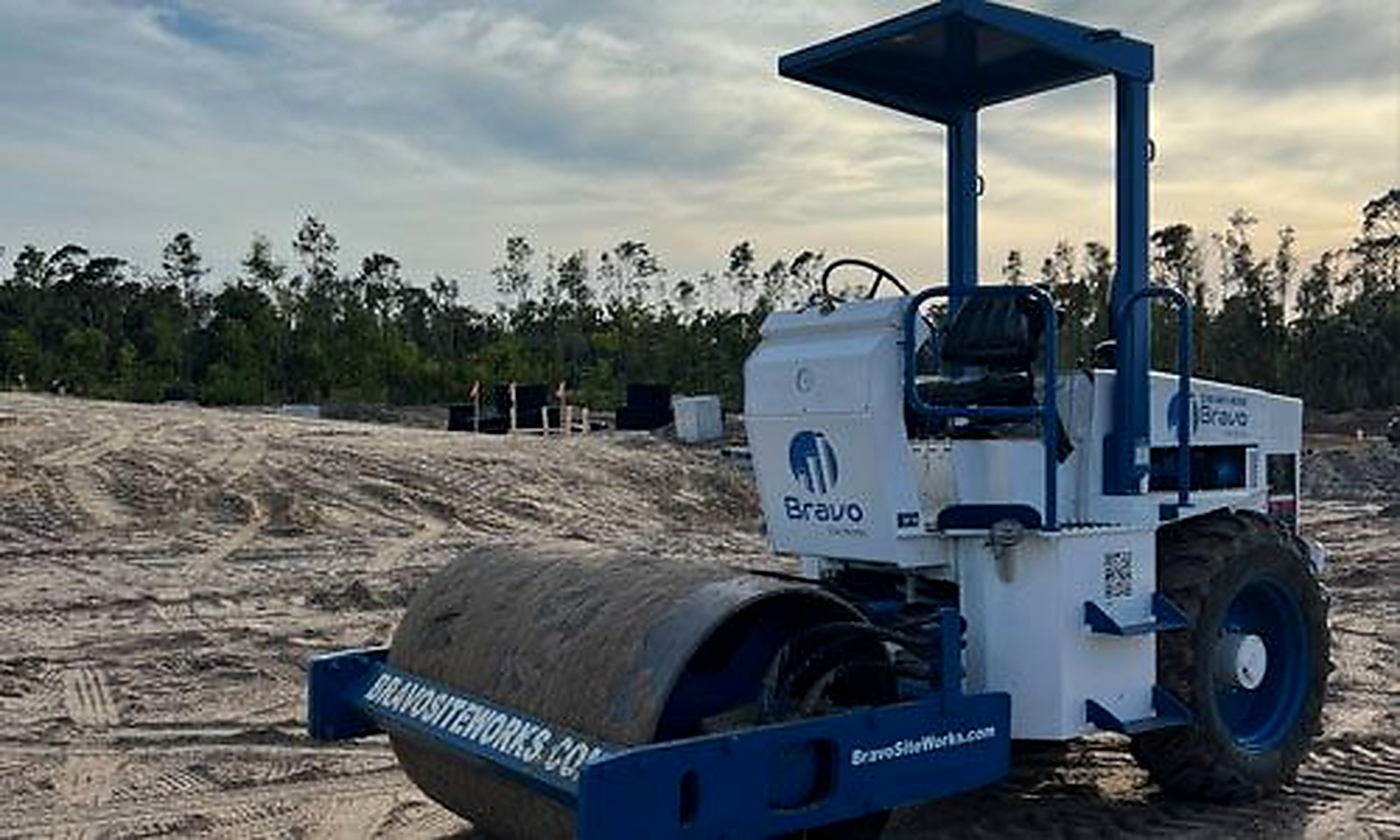
Equipment should be considered by function, capacity, condition, and availability. A long list is less important than a credible plan for excavation depth, lifting, compaction, groundwater control, trucking, material handling, and backup needs. If a specialty method or trade partner is proposed, understand who holds the contract, manages safety and quality, and carries schedule responsibility.
Treat safety and quality as operating systems
Request current safety documentation appropriate to the procurement process, but also ask how planning reaches the field. Useful topics include competent-person coverage, excavation protection, utility locating and potholing, traffic control, lifting, confined-space responsibilities where applicable, weather, and coordination with the controlling contractor.
Quality should have the same operational detail. Who checks material on delivery? How are survey and elevations verified? When are density, pressure, leakage, mandrel, video, bacteriological, or other specified tests scheduled? How are deficiencies tracked and closed? The exact requirements come from the project documents and authority having jurisdiction, but ownership should never be ambiguous.
Make closeout part of the award decision
Underground work can delay turnover even after the trench is gone. Test reports, inspection records, certifications, redlines, as-built support, startup documentation, warranties, releases, and agency approvals need a defined workflow. Ask for sample logs or a proposed closeout register, with confidential information removed as needed.
A contractor that treats documentation as a daily task is less likely to reconstruct months of field changes during the final week. That discipline also helps the general contractor understand which systems are ready for paving, building release, owner use, or agency acceptance.
Compare risk, not just price
Level the bids around scope, schedule, assumptions, and execution risk. A low number that omits dewatering, testing, restoration, mobilization by phase, or closeout may not remain low. Conversely, a proposal carrying unnecessary assumptions may be improved through a focused clarification meeting.
If you are assembling a bid list for one of the five Southwest Florida counties served, send Bravo Site Works the project details. Include the current plan set, specifications, geotechnical information, schedule, and bid form so the underground package can be reviewed on the same basis as the rest of the work.