Prequalification should answer a practical question: can this contractor deliver this scope on this site, during this schedule, under this contract? A generic company profile cannot answer that by itself. Owners and general contractors need a repeatable process that connects business qualifications with people, equipment, safety, quality, project controls, and the specific risks in the bid documents.
The checklist below is a starting point. Procurement, legal, insurance, bonding, safety, and technical teams should set the actual requirements for the project.
Confirm business and contracting information
Request the legal entity, applicable license information, insurance and bonding documents, tax forms, contact information, ownership disclosures required by the procurement, and any certifications relevant to the solicitation. Verify documents through the appropriate official or third-party source rather than relying only on a marketing statement.
Understand the proposed contracting structure. Will specialty work be self-performed, subcontracted, or supplied through a partner? Who carries the contract, manages the partner, provides supervision, and owns safety, quality, schedule, and closeout? If a capability is pending confirmation, it should not be scored as committed capacity.
Match experience to the actual scope
Project references are most useful when they resemble the current work in system type, depth, quantity, site condition, owner requirements, schedule, and closeout path. Ask what the contractor self-performed and what changed during delivery. Confirm that customer names and references may be contacted.
For a site development and earthwork package, relevant experience may include mass balance, groundwater, temporary drainage, utility sequencing, testing, haul logistics, and phased pad or roadway releases. Installed quantities alone do not show how those interfaces were managed.
Evaluate the proposed team, not a generic organization chart
Identify the estimator, project executive, project manager, superintendent, field supervision, safety support, quality responsibility, and closeout owner proposed for the project. Ask about current workload, start-date availability, planned crew structure, and the process for replacing key personnel.
Interview the people who will manage the work when practical. Can they explain the critical sequence, primary risks, information gaps, and first decisions? A prepared team should be able to discuss the site and documents, not only company history.
Review equipment and production assumptions
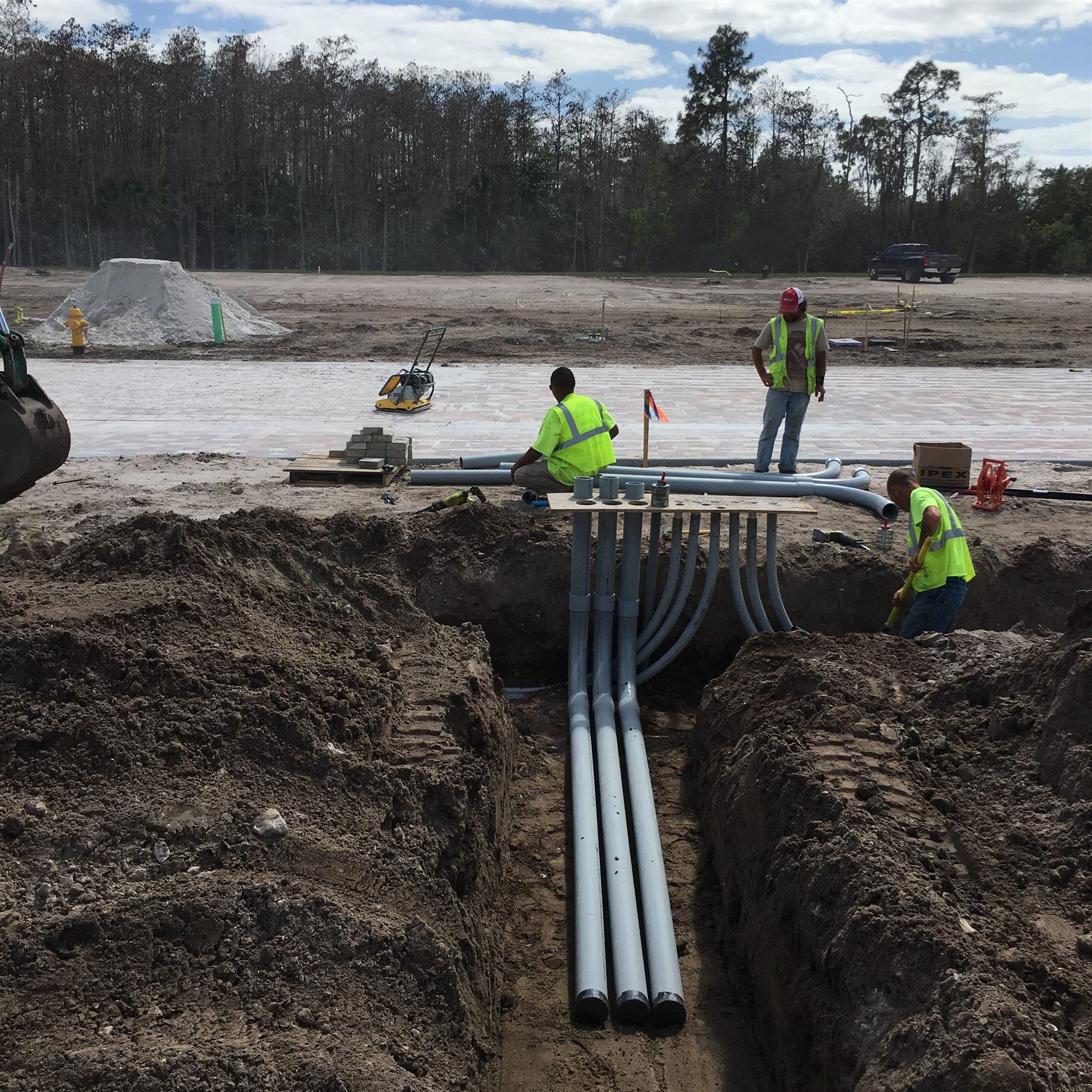
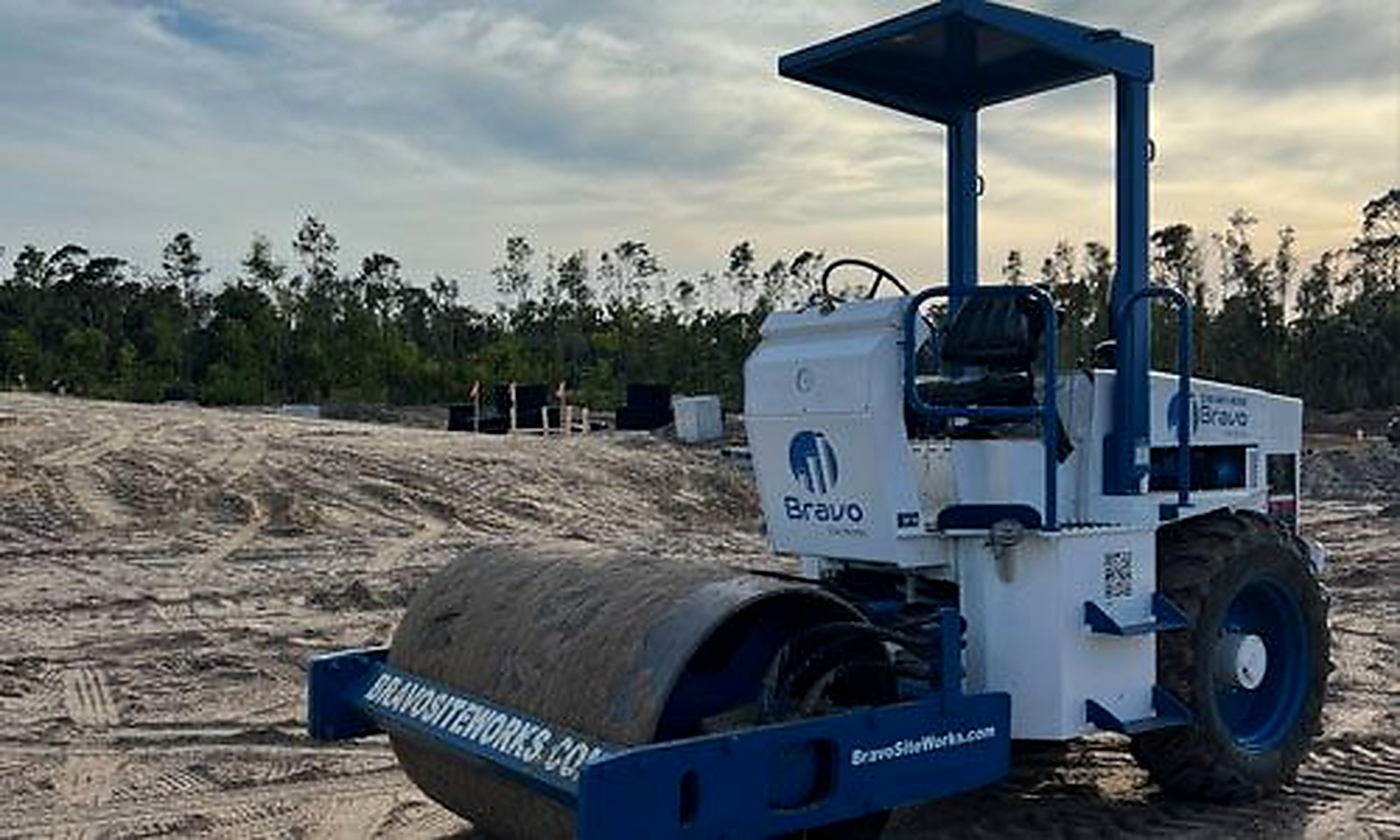
Equipment lists should be connected to the work. Ask how the proposed fleet supports excavation depth, lifting, dewatering, compaction, trucking, grading, material handling, and backup needs. Confirm whether critical equipment is owned, rented, or committed elsewhere.
Production should be explained through assumptions: crew size, work hours, access, soil, groundwater, structure frequency, testing, inspections, material availability, haul distance, and interaction with other trades. A footage target without those conditions is not a reliable schedule basis.
Look for field-level safety and quality systems
Review the safety information required by the controlling contractor, but also ask how the plan reaches daily work. Useful topics include excavation protection, competent-person coverage, utility locating and potholing, traffic control, lifting, confined-space responsibilities where applicable, severe weather, and subcontractor coordination.
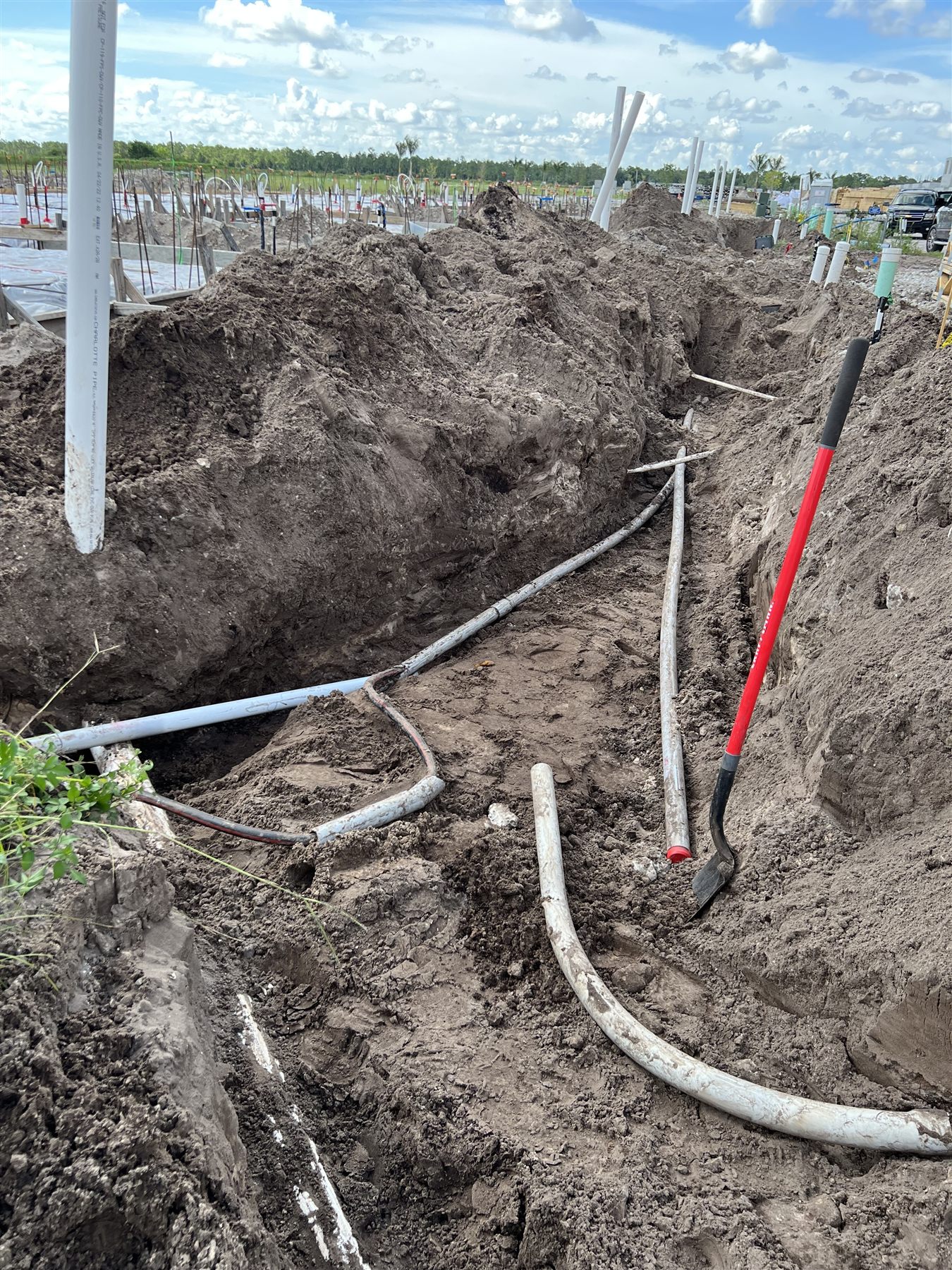
Quality controls should address material receipt, survey, line and grade, bedding, compaction, testing, inspections, deficiencies, and documentation. Ask who schedules tests, who receives results, and how failed work is tracked to closure.
Test the proposal for scope clarity
Level the bid around plans, addenda, quantities, materials, inclusions, exclusions, alternates, allowances, permits, fees, survey, testing, temporary work, restoration, mobilization by phase, and closeout. The contractor should be able to explain major assumptions and identify conflicts or incomplete information.
On a Manatee County development, for example, phase turnover, long utility runs, lift-station timing, future connections, and construction access may deserve specific clarification. The county label alone does not define the risk; the project documents do.
Make closeout part of prequalification
Ask how redlines, test reports, inspection records, submittals, startup documents, warranties, as-built support, training, and punch lists are managed. Request an example register with confidential information removed. A contractor that treats closeout as a daily process is better positioned to support phase acceptance.
Score the risk you are actually buying
Use a documented matrix that separates minimum qualifications from scored factors. Include commercial readiness, relevant experience, proposed team, capacity, field plan, safety, quality, schedule, scope completeness, and closeout. Record clarifications and conditions of award.
Prequalifying site-work contractors for a project in the five counties served? Invite Bravo Site Works to review the current bid package. The most useful qualification conversation starts with the actual scope, schedule, county, and plan set.