Water and sewer permits are not paperwork that can be separated from field production. Permit conditions influence approved materials, construction timing, inspections, testing, certification, record drawings, and when a new system may be placed into service. If the project team does not connect those requirements to procurement and the baseline schedule, a physically complete system can still wait for clearance.
This article is a construction-planning overview, not legal or engineering advice. The engineer of record, system owner, applicable utility, delegated local program, and Florida Department of Environmental Protection should confirm the current requirements for each project.
Separate the water and wastewater paths
Public drinking-water systems and domestic wastewater collection or transmission systems are governed through different rules, forms, and reviewing authorities. Florida's drinking-water rules include Chapter 62-555, Florida Administrative Code, covering permitting, construction, operation, and maintenance of public water systems. Domestic wastewater collection and transmission requirements are addressed in Chapter 62-604.
The Florida DEP water-resource rules page is a useful starting point, but the project team should work from the current permit, approved plans, specifications, utility standards, and agency direction. Do not assume that a requirement from a previous project applies unchanged to the next one.
Confirm who owns the permit and the construction obligations
The permit applicant or permittee may be the utility, owner, or another designated party, while the engineer and contractor support different parts of the process. The bid scope should identify who submits applications and notices, pays fees, answers agency comments, coordinates inspections, prepares certifications, maintains records, and requests clearance.
For wastewater collection and transmission work, FDEP states that a general or individual construction permit is generally required before construction or modification unless an identified exception applies. The FDEP collection/transmission permitting page also explains that the physical project location determines the appropriate district office or delegated local program.
That location-based review matters for a Sarasota County project because the team must confirm the actual reviewing organization and utility criteria, not rely on a statewide checklist alone.
Build permit milestones into procurement and mobilization
Before releasing material or mobilizing, verify that the issued-for-construction documents match the permitted design. Track agency comments, revised details, approved product requirements, design changes, and permit expiration or notice conditions. If the contractor proposes a material or method substitution, identify whether engineering and agency review are required before installation.
The schedule should include submittals, shop drawings, long-lead materials, preconstruction meetings, utility notifications, inspections, testing, sampling, engineer observations, and completion documents. Tie-in or shutdown windows may require separate utility coordination. A permit approval date alone does not guarantee that every field prerequisite is ready.
Treat testing and documentation as production activities
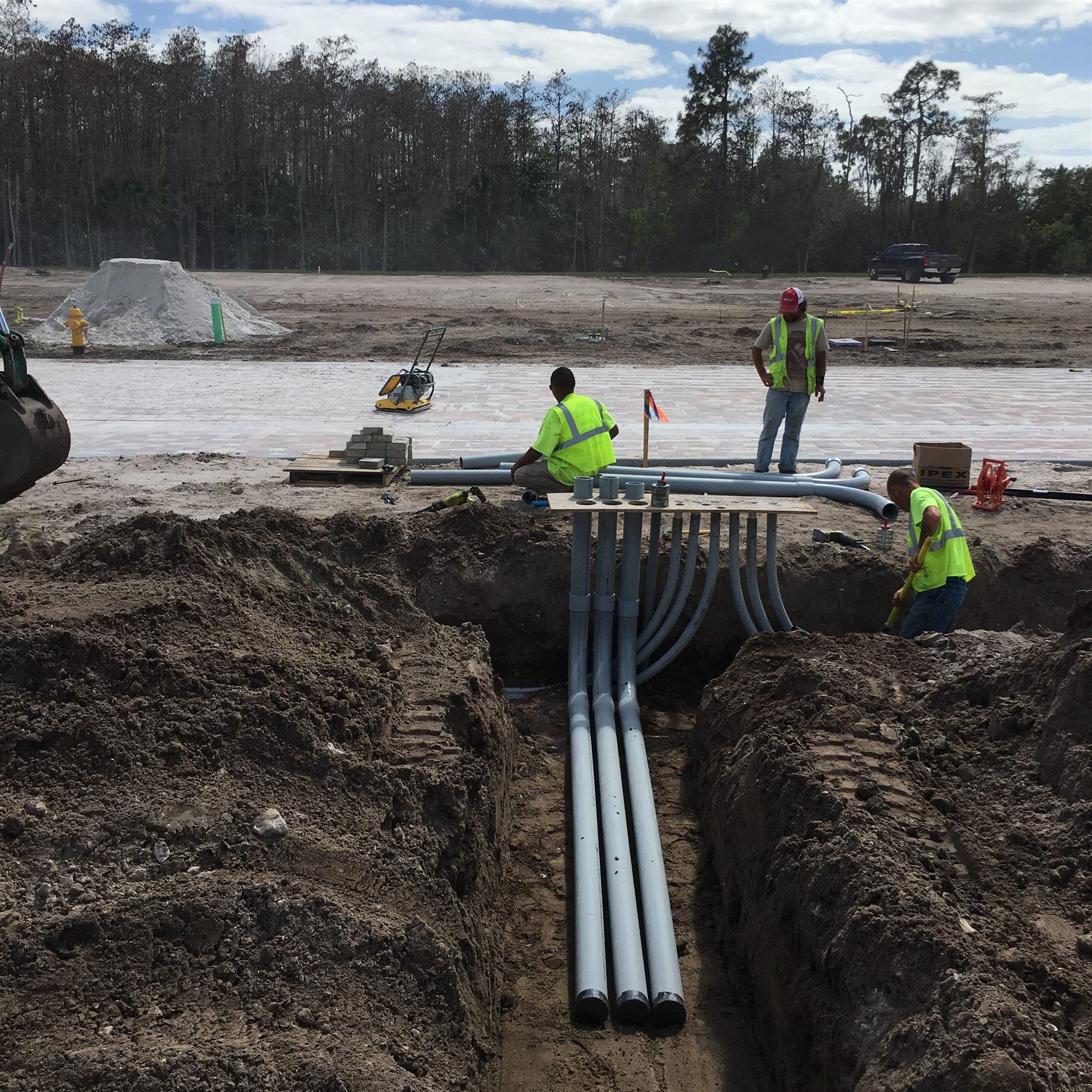
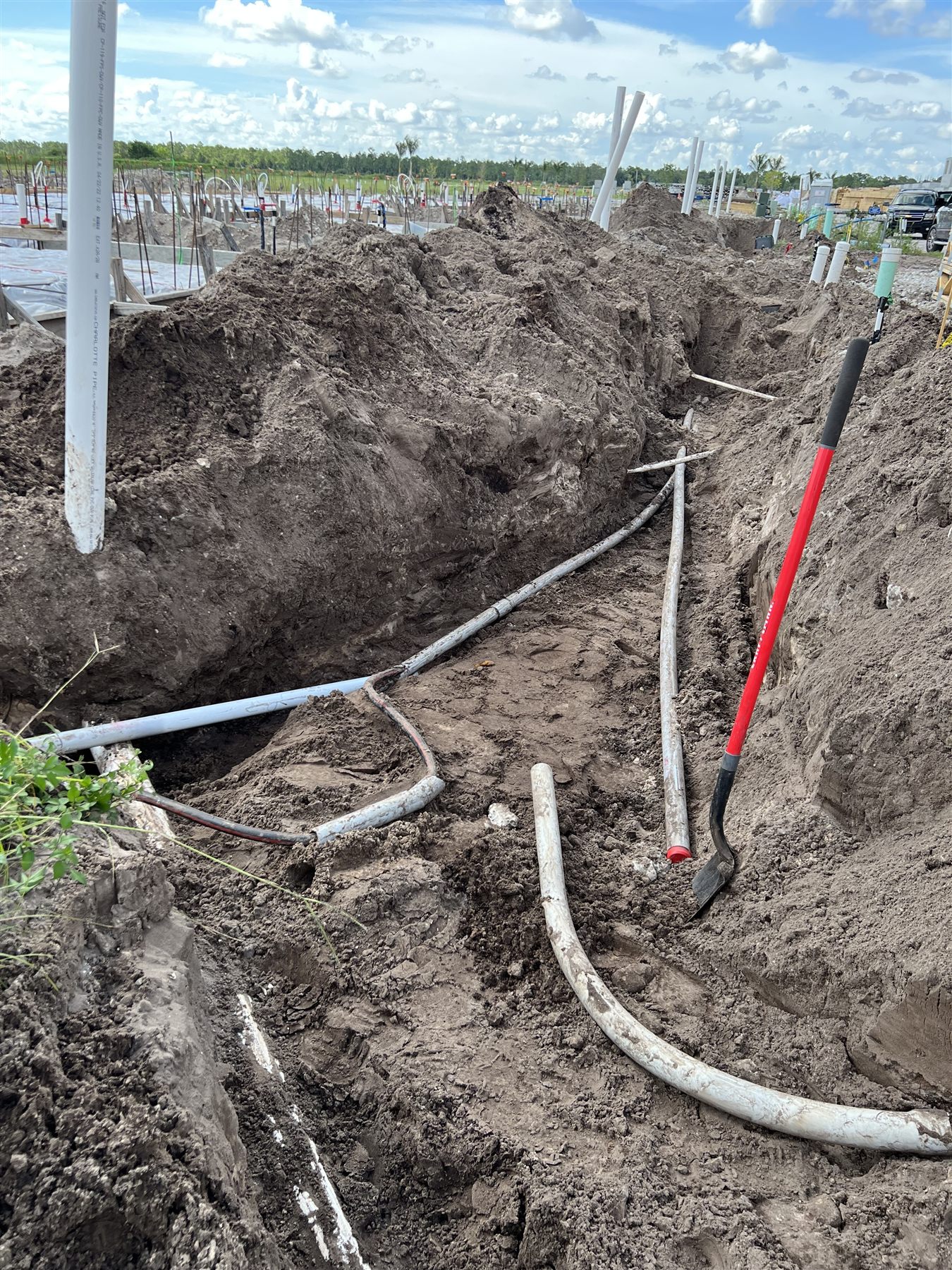
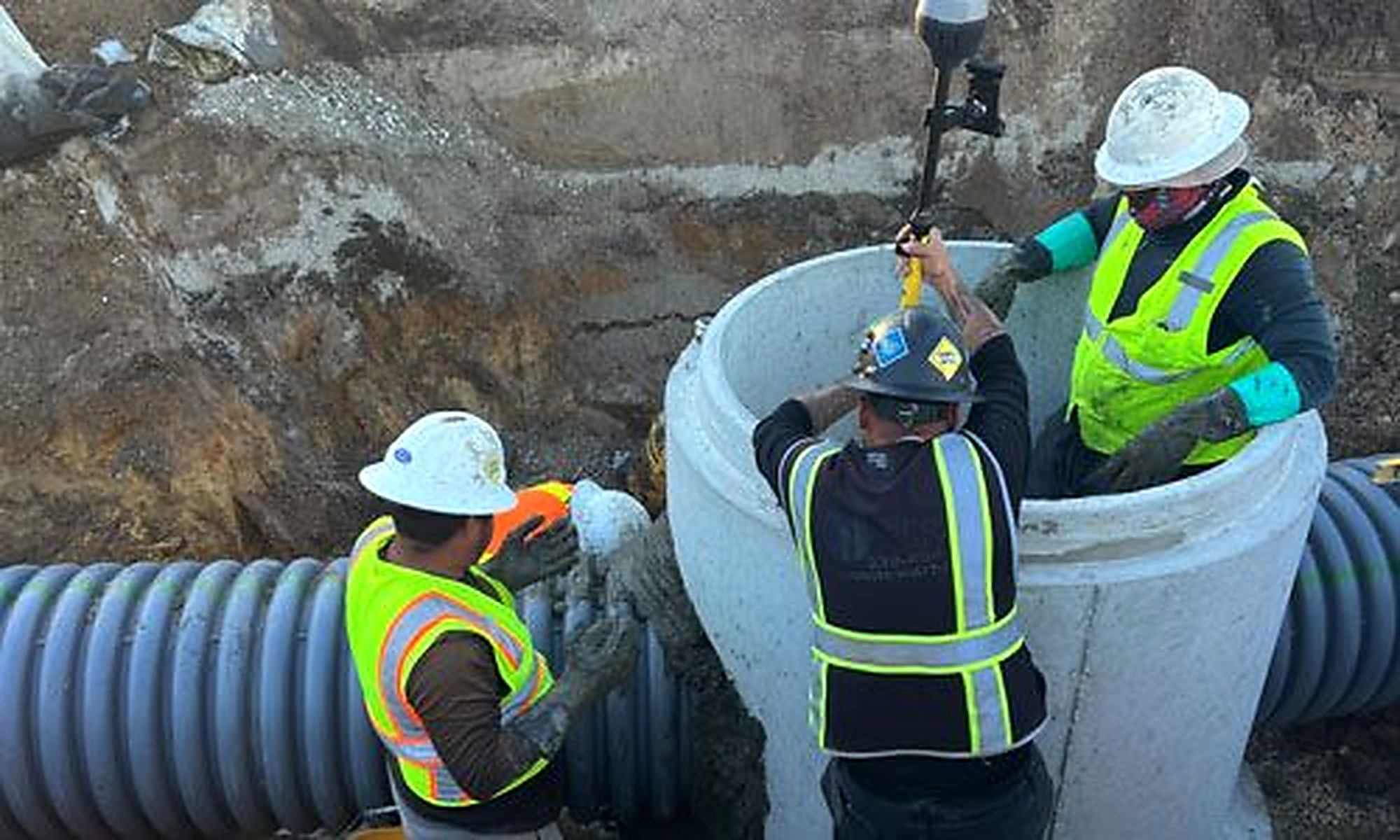
The underground utilities sequence should include the tests and records required by the plans, specifications, permit, and utility. Water work may involve pressure testing, flushing, disinfection, sampling, material records, and clearance steps. Sewer work may involve leakage testing, deflection testing, video, structure inspection, lift-station startup, and other project-specific acceptance requirements.
Assign responsibility for scheduling laboratories, inspectors, utility representatives, survey, and engineer visits. Keep test sections and acceptance boundaries visible in the look-ahead schedule. If a failed test requires repair and retesting, the team should know how that affects backfill, paving, building release, and system turnover.
Daily redlines matter because completion forms and record drawings depend on accurate field information. Record alignments, elevations, fittings, structures, services, changes, and abandoned conditions as the work progresses.
Do not place systems into service based on physical completion alone
FDEP's wastewater guidance states that new or modified collection and transmission facilities are not to be placed into service until cleared for use by the department or applicable delegated program. The current completion form and supporting requirements should be confirmed for the project. Water systems likewise require the applicable clearance and owner direction before use.
This distinction should appear in the turnover plan: installation complete, testing complete, documentation submitted, agency clearance received, and owner authorization are separate milestones. The general contractor should know which milestone controls building occupancy, customer connections, paving, landscaping, or demobilization.
Make permitting a shared schedule, not a separate checklist
At kickoff, create a permit matrix with the responsible party, reviewing agency, form or deliverable, prerequisite, due date, current status, and evidence location. Review it with the construction schedule and closeout log. Update it whenever design, phasing, utility ownership, or turnover strategy changes.
Planning water or sewer construction in the five-county service area? Send Bravo Site Works the current permitted documents and bid schedule. A permit-aware scope review can identify testing, inspection, clearance, and documentation responsibilities before they become late-project surprises.