Hurricane readiness on an active construction site is not a one-day exercise that begins when a forecast cone reaches Southwest Florida. The most useful plans are built into normal site operations: drainage paths stay open, materials have defined storage locations, excavations have recovery procedures, and the team knows who makes each shutdown decision. That preparation protects people first, then reduces the time needed to assess conditions and resume work.
For general contractors and developers, the plan should connect the civil, utility, vertical, crane, electrical, environmental, and security scopes. A storm does not respect subcontract boundaries. Water moving through an unfinished site can affect a utility trench, building pad, temporary power, stabilized entrance, stored pipe, and neighboring property in the same event.
Start with water, access, and unfinished ground
Review the grading and stormwater condition that exists today, not the final design shown on the permit set. Identify low areas, incomplete structures, blocked flow paths, temporary berms, stockpiles, open excavations, and areas where erosion controls may redirect water unexpectedly. Confirm that temporary pumps, discharge paths, generators, hoses, fuel, and monitoring responsibilities match the approved environmental plan.
The site development and earthwork sequence should leave the site with a defensible temporary drainage condition at the end of each work period. That may mean shaping temporary swales, stabilizing a slope, lowering a stockpile, protecting an inlet, or delaying an excavation that cannot be secured before severe weather. The right action depends on the permitted plan, actual elevations, and site-specific conditions.
Access deserves the same attention. Emergency routes, gate controls, stabilized entrances, bridge plates, haul roads, and paths to pumps or critical equipment need to remain usable without putting personnel into a hazardous condition. Decide in advance which areas close first and what must be inspected before they reopen.
Secure material and equipment by category
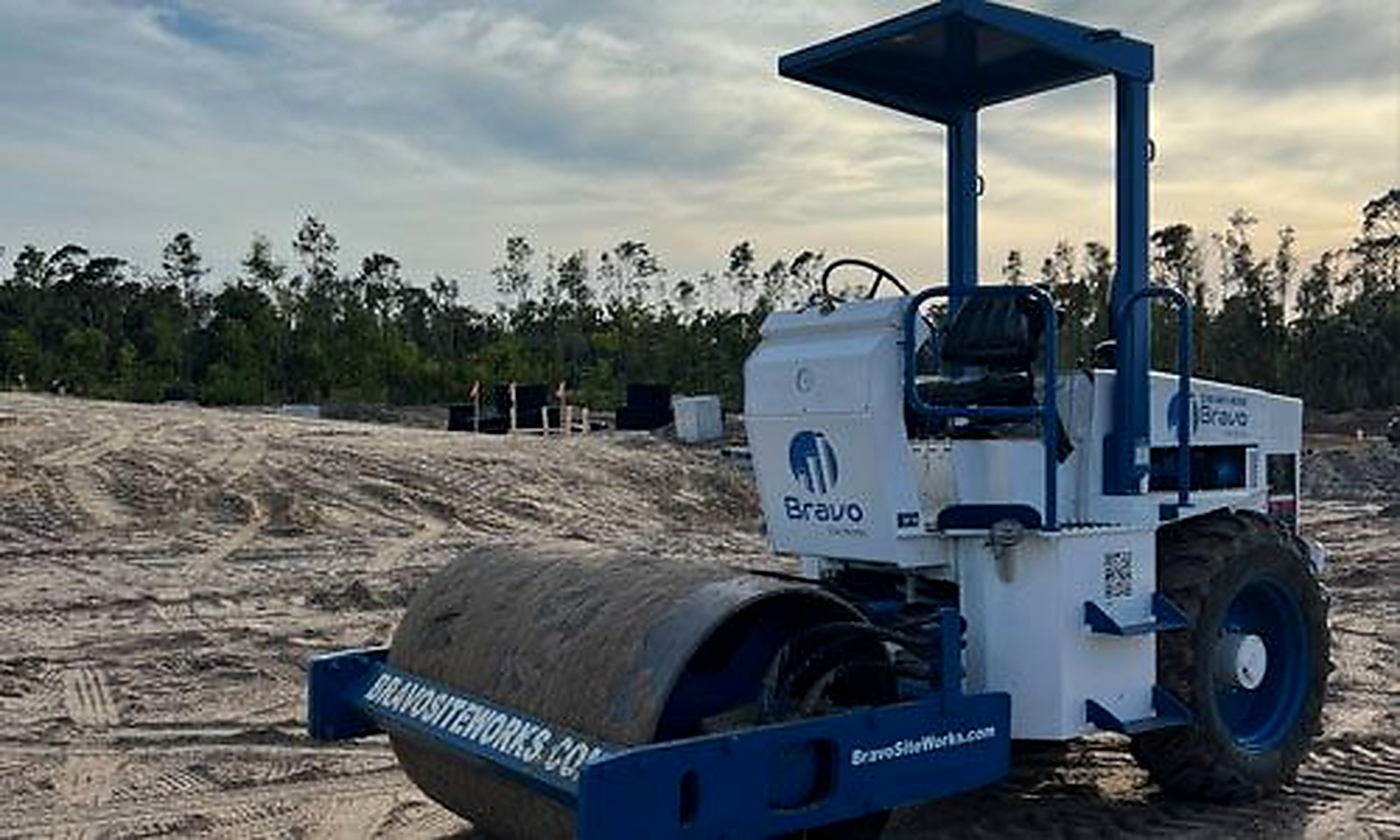
A useful material plan separates items by how they can fail. Lightweight material can become airborne. Pipe and structures can float, shift, or fill with debris. Fuel, chemicals, and waste require containment. Electronic controls and instruments need dry storage. Equipment may need high-ground parking, transport, or specific shutdown steps.
Create a written location and responsible party for each category. Verify tie-downs, chocks, caps, covers, containment, and inventory before crews leave. Keep supplier and rental contacts with the plan so replacement pumps, barriers, generators, or traffic devices do not depend on one person's phone.
Make open excavations a deliberate decision
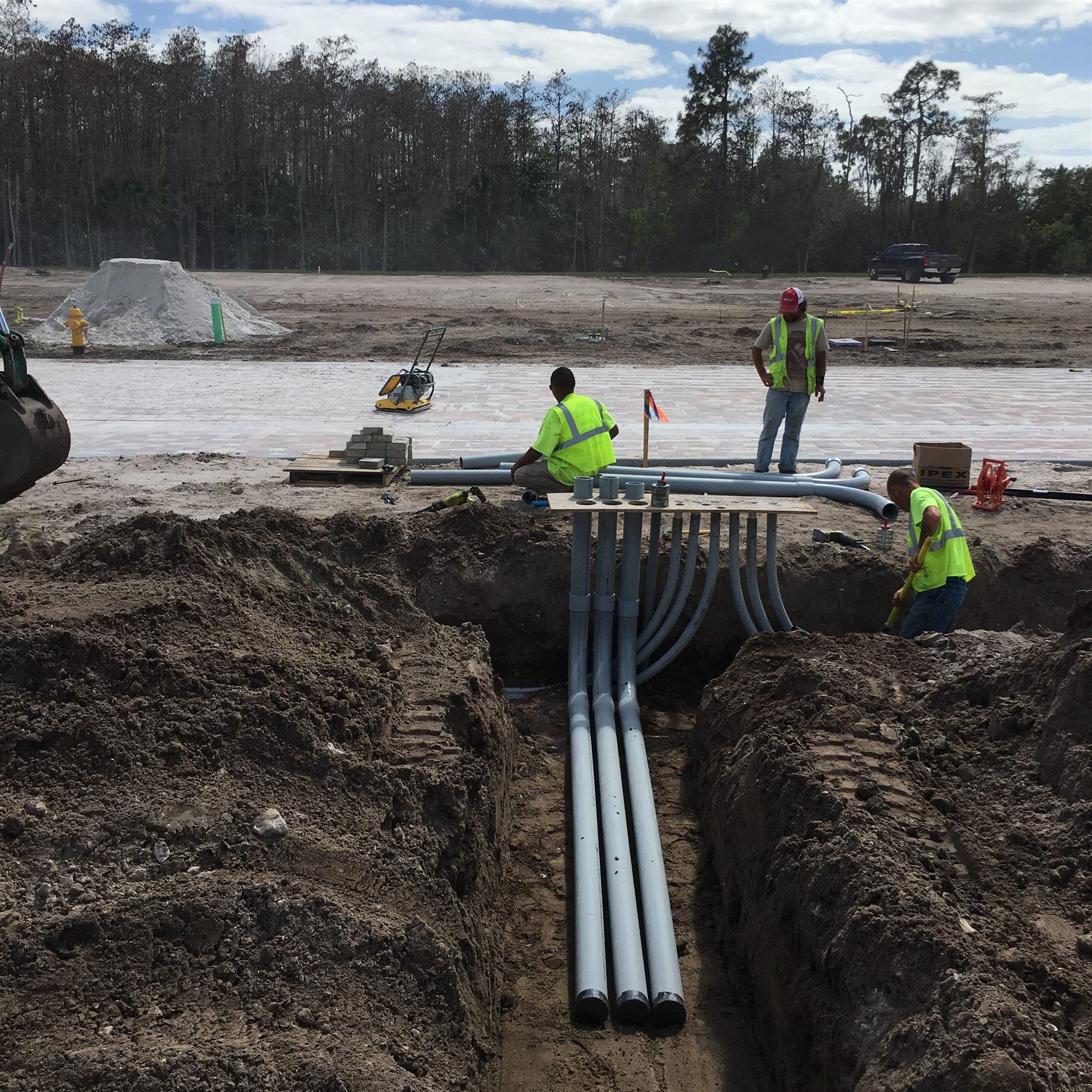
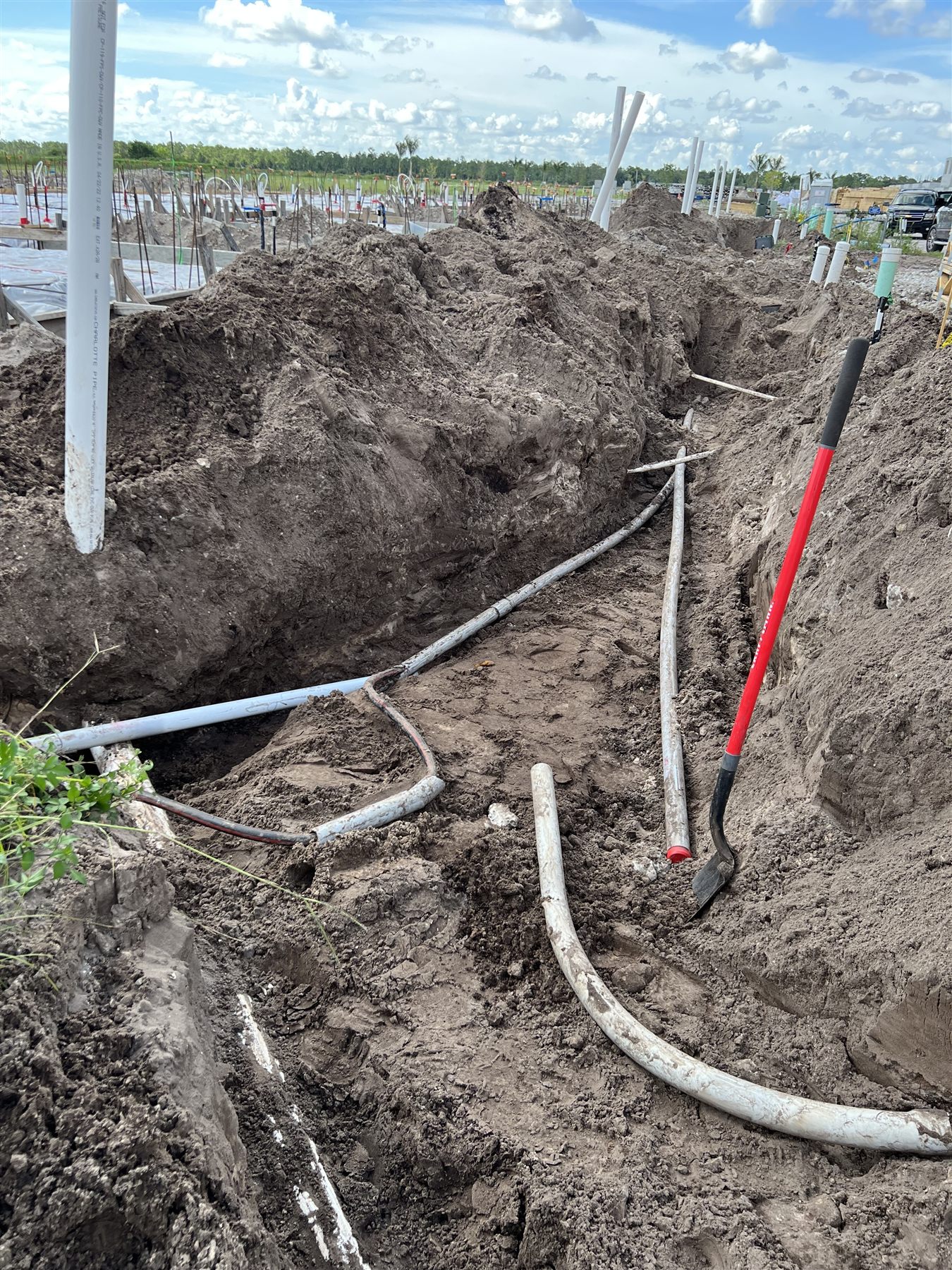
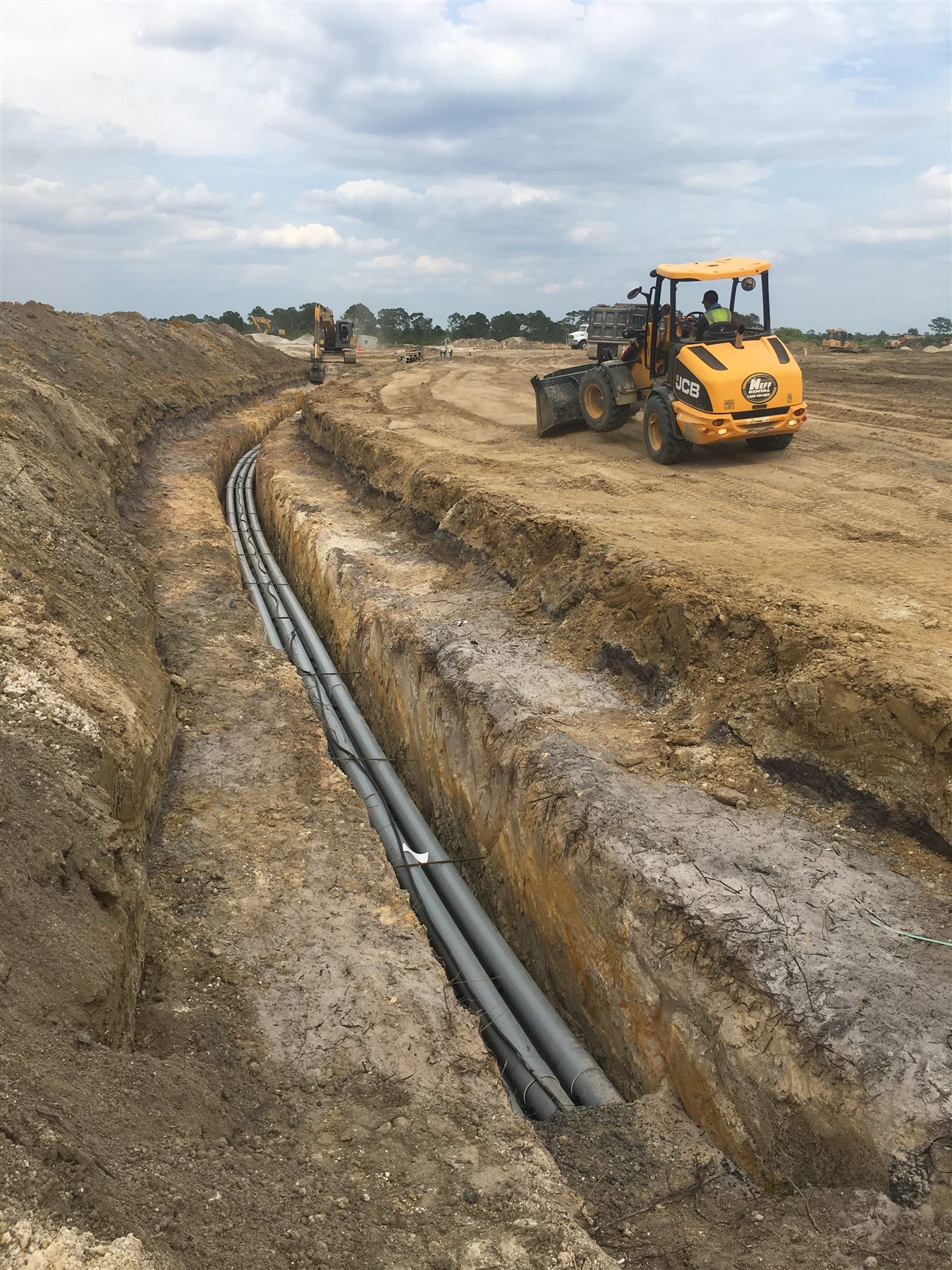
Excavations create special risk because changing groundwater, inflow, saturated soil, and lost access can make yesterday's condition unreliable. Before shutdown, the competent person and project leadership should decide which excavations will be closed, backfilled, plated, barricaded, supported, monitored, or otherwise secured under the site plan. Do not assume a trench can simply be pumped and re-entered after the storm.
The recovery plan should require a new assessment of protective systems, soil, water, adjacent loads, utilities, access, and atmospheric hazards where applicable. Survey control and installed elevations may also need verification after heavy runoff or site disturbance.
Protect records and define the restart gate
Photograph critical conditions before shutdown: drainage paths, erosion controls, stored materials, excavation protection, temporary utilities, installed work, and surrounding properties. Back up daily reports, inspection records, redlines, test results, delivery tickets, and contact lists somewhere the team can reach if the site office is unavailable.
Then define restart gates. Who authorizes the site assessment? Which utilities or temporary systems must be checked? When do environmental, safety, survey, testing, and owner representatives need notification? What conditions prevent remobilization? A short written checklist is more reliable than a group text sent after the event.
Teams working in Lee County and the other four counties served should also account for project-specific emergency rules, owner requirements, and local agency direction. The controlling contractor's safety and emergency plan remains the source of authority.
Turn preparation into normal field discipline
The best storm plan improves everyday operations because it forces the project to maintain drainage, clean access, organized storage, current records, and clear responsibility. Update it as grading, utilities, structures, and temporary systems change. Walk it with the foremen who will actually secure the work.
Planning a Southwest Florida project with significant earthwork or underground exposure? Send Bravo Site Works the current plans and schedule so storm readiness, temporary drainage, and recovery assumptions can be discussed during the bid—not after mobilization.