Additional capability 06

Night Work

Night operations planned around approved work windows, site access, lighting, public interfaces, inspections, material flow, and daytime handoffs.

Five-county service area Site walk on every bid Scope confirmed before award
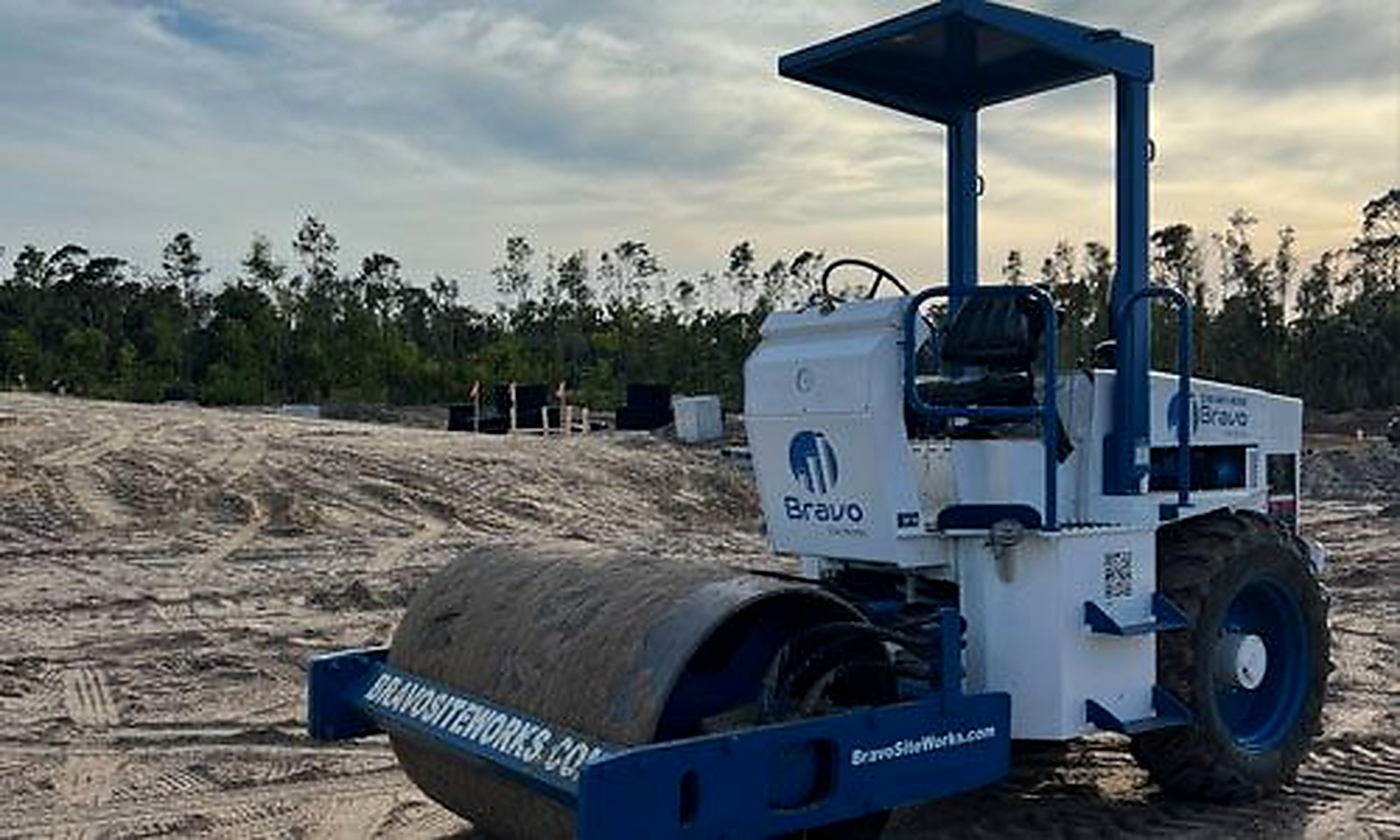
Bravo soil compactor parked on a graded construction site beneath an overcast evening sky
Scope boundary: Night-work availability is subject to the approved work window, local and project requirements, site conditions, access, controls, inspections, and the exact scope being reviewed.

Night work is not simply a daytime plan moved to a later hour. Visibility, lighting, noise, public access, deliveries, inspection availability, communication, emergency arrangements, and the handoff between shifts can change how a task must be sequenced. The allowed work window may also limit setup and restoration time, leaving fewer productive hours than the published closure period suggests.

Bravo Site Works has confirmed night-work capability for appropriate projects in Lee, Collier, Charlotte, Sarasota, and Manatee counties. Each opportunity is reviewed against the approved work window and project conditions. The proposal identifies the scope, restrictions, controls, support responsibilities, and schedule assumptions rather than treating nighttime production as interchangeable with normal hours.

Build the shift around the approved window

The bid should identify when crews may enter the work area, establish controls, begin the construction activity, restore temporary conditions, and clear the area. Required notices, lane or access releases, noise limits, delivery restrictions, lighting setup, testing, inspections, and cleanup all need to fit within that sequence.

A short work window may require material staging, equipment positioning, survey, locating, preassembly, or document review before the shift. The project team should define what may occur outside the controlled area and what must wait until the window begins. Contingency and cancellation responsibilities should also be clear when weather or an unresolved condition prevents work.

Plan visibility, access, and neighboring impacts

Lighting should support the approved work plan without creating avoidable glare or leaving critical work areas, travel paths, excavations, or interfaces difficult to see. Exact equipment, levels, positioning, power supply, backup, and inspection requirements are project-specific and should be resolved before mobilization.

Night operations may interact with traffic, pedestrians, residents, businesses, occupied facilities, emergency routes, security, or other contractors. Noise-producing activities, alarms, deliveries, pumps, generators, haul routes, and restoration should be evaluated against the applicable limits. The proposal should identify who supplies and maintains the required controls.

Protect communication and the next shift

Bravo maintains communication among site supervision, project management, and office staff to monitor schedule and address issues promptly. For night work, the reporting path should identify decision-makers, inspection contacts, emergency contacts, and the person authorized to resolve a changed condition. Team members also have authority to pause work when a hazard or changed condition requires evaluation.

Shift turnover should record installed work, open excavations or temporary conditions, testing and inspection status, redline information, material needs, unresolved questions, and the condition released to daytime operations. Project information and scheduling tools help keep those constraints visible so the night assignment supports, rather than disrupts, the overall project sequence.

For bid comparison, the buyer should state how many night windows are anticipated, whether they are consecutive, and which activities must be completed within each release. The invitation should identify who provides closure support, inspection, survey, testing, security, temporary restoration, and daytime follow-up. These inputs help bidders price the same operating plan and identify schedule assumptions before award.

Night Work FAQs

Questions to resolve before this capability reaches the field.

Project documents, the governing authority, and the written responsibility matrix control the final requirement.

Content reviewed July 29, 2026. Regulatory and utility requirements should be reconfirmed for each project.

01 Does Bravo Site Works offer night work?

Yes. Night-work capability is verified, subject to the approved work window, local and project requirements, site access, controls, inspection availability, and project-specific scope review.

02 Does night-work capability mean continuous or 24-hour operations?

No. Availability and shift duration are established for the individual project. The approved window must account for setup, production, inspection, temporary restoration, cleanup, and release of the work area.

03 Who provides lighting and traffic controls?

Those responsibilities must be assigned in the bid documents and proposal. Required plans, equipment, setup, maintenance, inspection, backup, and removal should not be assumed.

04 What information is needed to price a night-work scope?

Provide the work-window requirements, exact scope, site and public-access controls, lighting and noise criteria, inspection availability, staging and delivery restrictions, restoration requirements, schedule, and bid deadline.

05 What should a general contractor include with a site-work or underground-utility bid request?

Send the current civil plans, specifications, geotechnical report, addenda, bid form, quantity information, project schedule, phasing requirements, testing responsibilities, and known site constraints. Identify the utility owner, bid deadline, anticipated mobilization, alternates, bonding requirements, traffic-control needs, and any scope boundaries that remain open. A complete package helps the estimating team identify conflicts and exclusions before proposals are compared.

06 Does Bravo Site Works conduct a site walk before every bid?

Yes. Bravo conducts a site walk for every job it bids. The review focuses on access, staging, existing conditions, active operations, neighboring improvements, haul routes, work windows, and interfaces that may not be fully visible in the documents. The site walk supplements the plans and project records; it does not replace survey, utility locating, geotechnical investigation, or engineered direction.

07 Who is responsible for permits, inspections, testing, and closeout documents?

Responsibility depends on the contract, design, utility owner, and permitting agencies. Before award, the project team should create a responsibility matrix for the owner, engineer, general contractor, subcontractors, testing laboratory, utility owner, and authorities having jurisdiction. The matrix should cover applications, fees, notices, inspections, testing, record information, certifications, clearances, and final acceptance.

Ready for estimating

Put the complete scope and schedule in front of the team.

Include the project county, current plans, bid date, anticipated start, work window, and the specific capability you need reviewed.