Additional capability 04

FDOT Work

Site and utility work reviewed against the approved requirements for projects involving FDOT-controlled facilities.

Five-county service area Site walk on every bid Scope confirmed before award
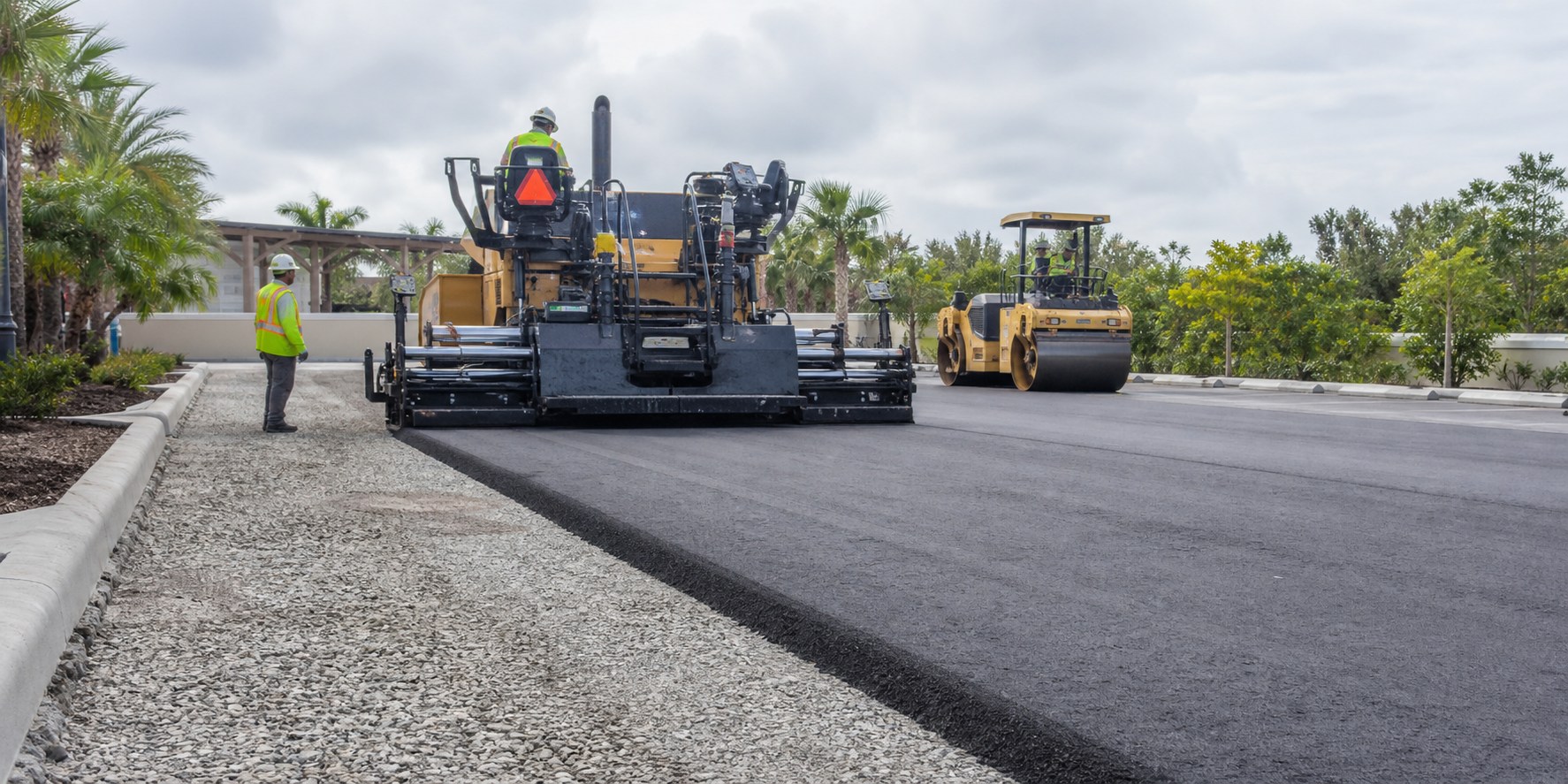
Asphalt paver and rollers placing pavement beside a curbed landscaped area
Scope boundary: This page describes capability on scopes governed by FDOT requirements. It does not represent FDOT prequalification, certification, approval, or authorization for any particular contract.

Work involving an FDOT-controlled facility can add document, access, traffic-control, inspection, material, restoration, and closeout requirements to an otherwise familiar site or utility scope. The controlling plans, specifications, permit conditions, contract documents, and approved revisions need to be identified before pricing. A general reference to “FDOT standards” is not a substitute for the requirements that govern the actual project.

Bravo Site Works has confirmed capability for work on project scopes governed by FDOT requirements in Lee, Collier, Charlotte, Sarasota, and Manatee counties. Each opportunity receives a site walk where access is available and a detailed bid review. The proposal identifies the scope being priced, required interfaces, and any qualifications that remain subject to the project documents or contracting requirements.

Start with the controlling documents and contract path

The bid package should identify the current plans, specifications, permit conditions, approved products, details, pay-item or quantity information when applicable, revisions, and required submittals. It should also state the contracting relationship and the parties responsible for permits, fees, traffic-control plans, survey, testing, inspection coordination, and final acceptance.

Requirements may differ by facility, work type, contract, and project phase. The estimating team should not fill gaps with assumptions borrowed from another job. Questions about document conflicts, material requirements, work limits, or responsibility should be resolved through the project’s authorized review process.

Integrate traffic, access, inspection, and restoration

Work near active transportation facilities must fit the approved access and work-area controls. The bid should define permitted hours, lane or shoulder impacts, staging, deliveries, temporary surfaces, pedestrian conditions, emergency access, restoration limits, and the responsibility for maintaining approved traffic-control measures.

Inspection and testing points should be connected to the field sequence. The project team needs to know which activities require notice, observation, documentation, material records, survey information, or acceptance before they are covered or released. Restoration should follow the approved limits and materials rather than the visible excavation footprint alone.

Build schedule and closeout requirements into the bid

Restricted work windows, phased releases, material approvals, traffic-control setup, testing availability, and inspection notice can become schedule constraints. Bravo uses project information and scheduling tools to identify bottlenecks and maintains communication among site supervision, project management, and office staff so pending decisions remain visible.

Closeout responsibilities may include redlines, test reports, inspection records, material documentation, photographs, restoration acceptance, permit closure, or other project-defined deliverables. The bid should identify ownership of each item. This supports a cleaner handoff without implying that Bravo holds an approval or qualification that has not been documented.

Before comparing prices, the buyer should confirm that each proposal references the same document dates, revisions, quantities, work windows, traffic-control basis, testing obligations, and restoration limits. Any required qualification, subcontracting restriction, approved-product condition, reporting format, or contract-specific submittal should be called out in the invitation to bid. This helps distinguish a scope difference from a price difference and keeps eligibility questions separate from Bravo’s verified construction capability.

FDOT Work FAQs

Questions to resolve before this capability reaches the field.

Project documents, the governing authority, and the written responsibility matrix control the final requirement.

Content reviewed July 29, 2026. Regulatory and utility requirements should be reconfirmed for each project.

01 Is Bravo Site Works FDOT prequalified?

No FDOT prequalification, certification, or approval claim is published. Bravo has confirmed capability for scopes governed by FDOT requirements; eligibility and qualifications for a specific opportunity must be verified against that contract.

02 What FDOT-related scopes can Bravo review?

Bravo can review site and utility opportunities that involve FDOT-controlled facilities. The exact work, delivery boundaries, qualifications, permits, testing, traffic control, and restoration responsibilities are confirmed per project.

03 Is traffic control included with FDOT-governed work?

Traffic-control responsibility must be defined in the proposal and approved project documents. Plans, setup, maintenance, inspections, permitted work windows, and related responsibilities should never be assumed.

04 What should be sent with an FDOT-related bid request?

Send the complete current bid set, specifications, revisions, permit or contract requirements, work limits, traffic-control information, inspection and testing requirements, schedule, bid date, and contracting details.

05 What should a general contractor include with a site-work or underground-utility bid request?

Send the current civil plans, specifications, geotechnical report, addenda, bid form, quantity information, project schedule, phasing requirements, testing responsibilities, and known site constraints. Identify the utility owner, bid deadline, anticipated mobilization, alternates, bonding requirements, traffic-control needs, and any scope boundaries that remain open. A complete package helps the estimating team identify conflicts and exclusions before proposals are compared.

06 Does Bravo Site Works conduct a site walk before every bid?

Yes. Bravo conducts a site walk for every job it bids. The review focuses on access, staging, existing conditions, active operations, neighboring improvements, haul routes, work windows, and interfaces that may not be fully visible in the documents. The site walk supplements the plans and project records; it does not replace survey, utility locating, geotechnical investigation, or engineered direction.

07 Who is responsible for permits, inspections, testing, and closeout documents?

Responsibility depends on the contract, design, utility owner, and permitting agencies. Before award, the project team should create a responsibility matrix for the owner, engineer, general contractor, subcontractors, testing laboratory, utility owner, and authorities having jurisdiction. The matrix should cover applications, fees, notices, inspections, testing, record information, certifications, clearances, and final acceptance.

Ready for estimating

Put the complete scope and schedule in front of the team.

Include the project county, current plans, bid date, anticipated start, work window, and the specific capability you need reviewed.